

Psychopathology of the Criminal Mind
Overview
Psychopathology is the branch of psychiatric science that studies mental illness. The field as a whole includes the study of cognition and abnormal mental states, all pathologies, or mental disorders, as well as maladaptive behaviors and experiences that diverge wildly from the spectrum of existing social norms.
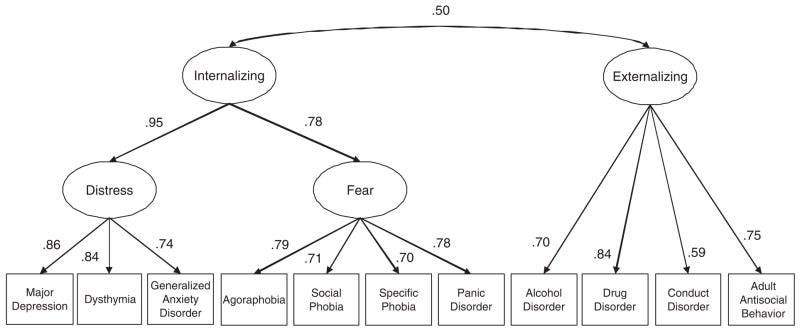
Criminal psychology is related to forensic psychology, but typically focuses more directly on criminal behaviors, and the relationship between psychiatric disorders and criminal behavior. Criminal psychology is also focused on profiling criminal offenders.
Forensic psychology focuses more on the intersection of psychology and law, and forensic psychologists often working as jury consultants and also evaluating the competency of the accused to help determine whether a defendant should be held criminally liable for their actions.
This article is extremely thorough, expansive, and divided into two sections:
Section 1: The psychopathology of the criminal mind, which is an overview of the primary psychopathological components of criminality and general violence, beginning with a look at false claims from major organizations that mental illness has little or no relationship with criminality.
Section 2: The psychopathology of serial killers, which is a detailed look at the primary motivations, personality components, and psychopathologies of serial murderers and mass murderers as a group.
The Psychopathology of the Criminal Mind
Many people have falsely claimed that it is a myth that people with mental illness are more likely to commit crimes than people without mental illness. The Association of Healthcare Journalists claims in an article written by Katti Gray that “Several studies have shown that the opposite is true.”
In the same article, Gray also claims that “most crimes are committed by people who have no mental illness diagnosis; and people with mental illness are more likely to be crime victims than perpetrators,” and that “those with schizophrenia and related psychotic disorders are the likeliest of all people with mental illness to commit crimes.”
These claims are mostly false, and the reality is more complicated, although it is true that most people with mental illness will never commit a crime, and that psychosis has been shown to greatly increase the risk of homicide. In particular, during initial psychotic events the homicide rate is nearly 15 times greater than after treatment, and it’s significantly higher compared to subsequent psychotic episodes even in the absence of or discontinuation of treatment as well. Chart courtesy of the excellent Cremieux.
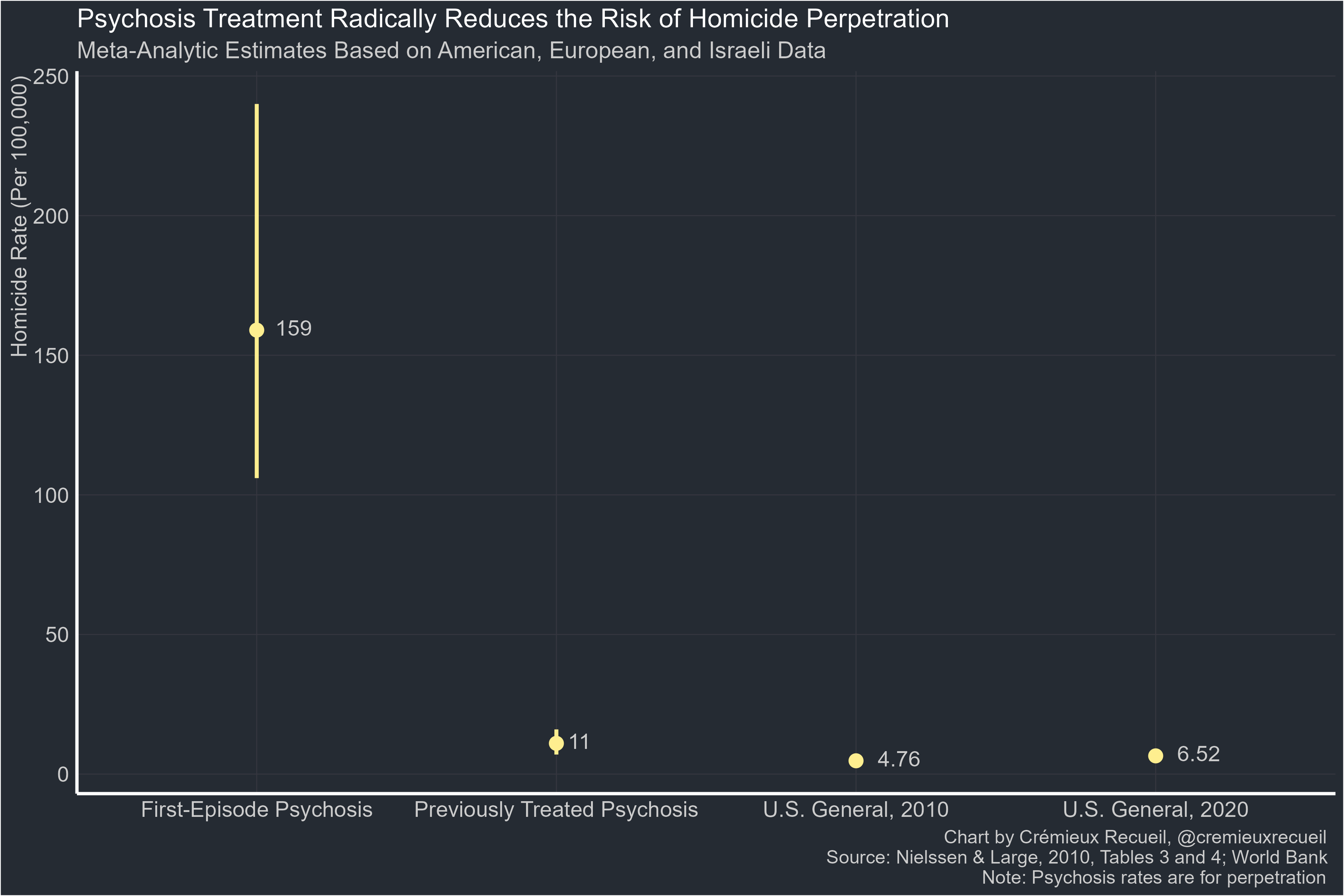
A Systematic Review and Meta-analysis published in Schizophrenia Bulletin in 2024 found “rates of any type of violence [in] between 35% and 39%” during an initial psychotic episode. The same study found “pooled prevalence” was 13.4% for any violence, 16.3% for less serious violence, 9.7% for serious violence and 2.7% for severe violence, with rates of 11.6% before the presentation of psychosis, 20.8% at first presentation, and 13.3% after presentation to treatment.
According to research published by the American Psychological Association in 2014, “Of crimes committed by participants with bipolar disorder, 62 percent were directly or mostly related to symptoms, compared with 23 percent for schizophrenia and 15 percent for depression.”
The title of the APA article “Mental Illness Not Usually Linked to Crime, Research Finds,” is highly misleading since the claim is based on the subjective determination of whether or not the crimes “directly related to symptoms of mental illness.” The APA seems to be in the habit of publishing misleading, false, or self contradictory material.
Even beyond being misleading; these claims are mostly false as well. An article published in the Journal Behavioral Sciences & the Law states that, “The General Theory of Crime proposes that crime is explained by the combination of situational opportunity and lack of self-control. Impulsivity is one of the important components of self-control.”
Other research suggests that “Most incarcerated offenders (50 percent to 80 percent) have behavioral histories that meet diagnostic criteria for anti-social personality disorder, whereas a smaller subgroup (15 percent to 30 percent) meets criteria for psychopathy.”
The U.S. Department of Justice Bureau of Justice Statistics says that 49.9% of prisoners have “no indication of a mental health problem.” According to the Department of Justice, just 8.7% of prisoners have schizophrenia; 17.5% have bipolar disorder and 13% have a cluster B personality disorder. They also report that “More females (66%) than males (35%) in prison also had a history of a mental health problem.”
Further, “Married jail inmates were the least likely to have ever been told they had a mental disorder (40%) when compared to inmates with other marital statuses. Approximately 58% of jail inmates who were widowed, 51% who were divorced, 50% who were separated, and 43% who were never married had ever been told they had a mental disorder. Prisoners and jail inmates with a college degree were more likely than high school graduates to have a history of a mental health problems.”
Through impulsivity and emotional lability, attention deficit hyperactivity disorder is linked to violence according to an article published in the Journal of Child and Adolescent Psychopharmacology, which notes that “emotional impulsivity/dysregulation… appears to be a central feature of ADHD. Emotional impulsivity refers to deficits in the first step of emotional self-control; that is, the ability to inhibit strong emotional reactions to environmental events…”
The article also says that some studies suggest that “early-onset, pervasive, and unremitting [impulsive aggression] in the context of impulsive thoughts, emotional lability, and impulsive behavior represents a high-risk profile for progression from childhood ADHD to adult antisocial disorders.”
A study by Stockholm University found that people sentenced for criminal offenses have a higher prevalence of ADHD than the general population, and states that “Neglect was the only adverse social factor which was associated with a higher crime rate and affected boys more than girls.” Another study found that people with ADHD are more likely to be arrested, convicted, and imprisoned than those without ADHD. A third study, published in the New England Journal of Medicine, found that criminality in those diagnosed with ADHD can be attenuated with treatment and medication.
According to systematic review published in 2014, “extreme forms of violence may be a result of a highly complex interaction of biological, psychological and sociological factors and that, potentially, a significant proportion of mass or serial killers may have had neurodevelopmental disorders such as autism spectrum disorder or head injury.”
A 2010 study on bipolar disorder found that more “individuals with bipolar disorder (8.4%) committed violent crime compared with 1312 general population controls (3.5%)” but that this “risk was mostly confined to patients with substance abuse comorbidity,” and “risk increase was minimal in patients without substance abuse comorbidity.” This study also “found no differences in rates of violent crime by clinical subgroups (manic vs depressive or psychotic vs nonpsychotic).”
A similar study conducted in 2011 found that “Compared to other subjects, those with convictions had more ASPD symptoms, less education, more substance use disorder, more suicide attempt history, and a more recurrent course with propensity toward mania.”
As it relates to violent aggression specifically, the single biggest predictor of violence is high levels of trait narcissism. The link between narcissism and aggression has been substantiated regardless of controlling for confounds like gender, age, education, or nationality.
Studies show that even when narcissism was within what is considered a normal range, higher levels of narcissism remain linked to higher levels of aggression. A meta study led by Sophie Kjærvik, graduate student at Ohio State, which was published in the May 2021 edition of the journal Psychological Bulletin, examined data from 437 independent studies with a total of 123,043 participants.
“The link we found between narcissism and aggression was significant – it was not trivial in size,” Kjærvik said.

Narcissism comes in several flavors: grandiose narcissism, communal narcissism, vulnerable (or covert) narcissism, and malignant narcissism. These subtypes overlap with each other, and with other personality disorders, and the study found all were linked to aggressive behaviors.
Communal narcissism is a form of grandiose narcissism in which extraverted narcissists, who have an inflated view of their personal characteristics, believe themselves to be morally superior in a communal domain. Communal narcissists present themselves as altruistic, deeply caring people who are very civic oriented. There is a large amount of emerging evidence that communal narcissists can be found in a variety of causes related to political activism and “social justice.”
Narcissism has been linked with psychopathy and it has been noted in Current Topics in Behavioral Neurosciences that “Psychopaths can be alarmingly violent.” The first links between psychopathy and violence were established by Dr. Hervey M. Cleckley in his seminal book The Mask of Sanity: An Attempt to Clarify Some Issues About the So-Called Psychopathic Personality, first published in 1941.
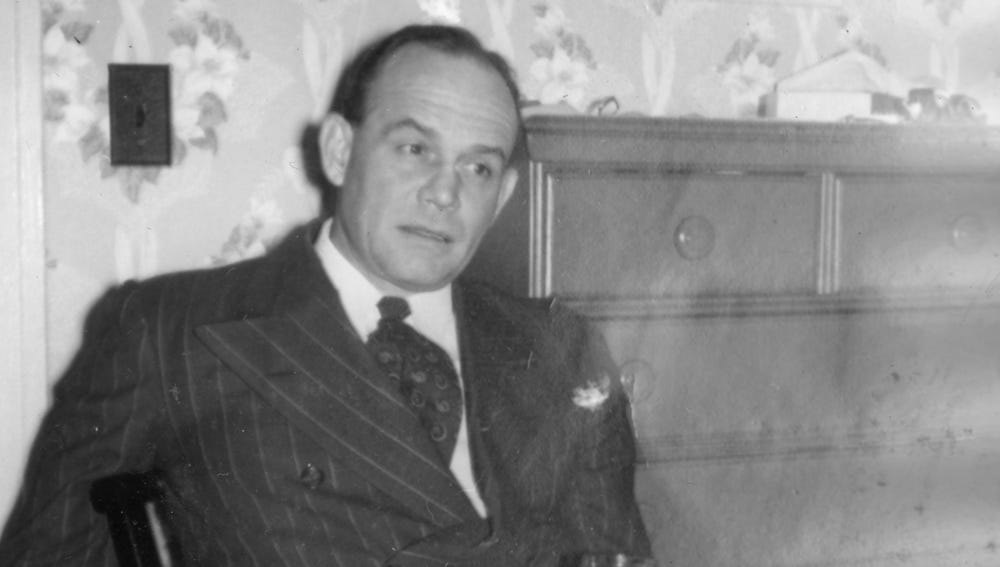
Cleckley was the first to establish a link between psychopathy with predatory sexual sadism and the most serious sex crimes, as well as the first to suggest links between elements of juvenile delinquency with psychopathy. To this day, a diagnosis of conduct disorder in childhood is required to establish a diagnosis of antisocial personality disorder in adulthood, and conduct disorder is sometimes called youth psychopathy.
The book describes clinical interviews conducted with patients who have been institutionalized. The Mask of Sanity copyright was released for non-profit educational use in 1988, and we have included it here as a PDF for interested readers.

Cleckley’s “clinical profile,” describing behavioral characteristics of psychopaths, consists of the following traits:
Superficial charm with good intelligence
Absence of delusions or other signs of irrational thinking
Absence of nervousness or psychoneurotic manifestations
Unreliability
Untruthfulness and insincerity
Lack of remorse and shame
Inadequately motivated antisocial behavior
Poor judgment and failure to learn by experience
Pathologic egocentricity and incapacity for love
General poverty in major affective reactions
Specific loss of insight
Unresponsiveness in general interpersonal relations
Fantastic and uninviting behavior with drink and sometimes without
Suicide threats rarely carried out
Sex life impersonal, trivial, and poorly integrated
Failure to follow any life plan.
Cleckley’s clinical profile detailed above is extremely similar to other classification systems for psychopaths and malignant narcissists that were developed later, which we will examine below.
Malignant narcissism combines trait elements of all the cluster b personality disorders, including but not limited to narcissistic, paranoid, antisocial, and sadistic personality disorder. Social psychologist Erich Fromm coined the term "malignant narcissism" in 1964, describing a "severe mental sickness" which was "the quintessence of evil” and “the most severe pathology and the root of the most vicious destructiveness and inhumanity."

In the 1980s, psychoanalyst Otto Kernberg suggested that malignant narcissism exists on a spectrum of pathological narcissism, and that criminal psychopathy is an extreme form of pathological narcissism. According to Kernberg, a psychopath has a paranoid view of external influences and is unwilling to internalize the values of those who they perceive as aggressors, whereas malignant narcissists maintain their "capacity to admire powerful people, and can depend on sadistic and powerful but reliable parental images."
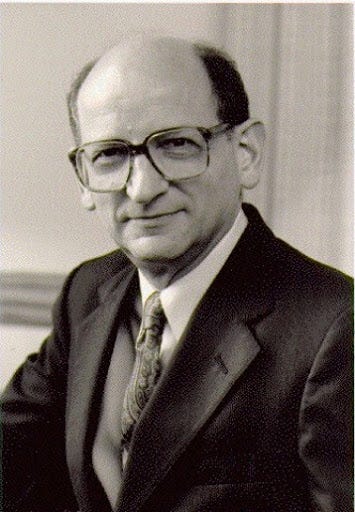
Malignant narcissists may also internalize "some identification with other powerful idealized figures… which permits at least some… capacity for loyalty to their own comrades," and leads to "the idealization of the aggressive, sadistic features of the pathological grandiose self of these patients."
Individuals who have narcissistic personality disorder, malignant narcissism, and psychopathy all exhibit similar symptoms, as detailed in the Hare Psychopathy Checklist, a psychological assessment tool often used in the criminal justice system, which was developed in the 1970s and first published in 1980 by Dr. Robert Hare, based partially on Hare’s work with inmates and partially on Cleckley’s clinical profile from The Mask of Sanity.
Psychopaths are social predators, and like all predators, they are looking for feeding grounds. Wherever you get power, prestige and money, you will find them…
Psychopaths have a grandiose self-structure which demands a scornful and detached devaluation of others, in order to ward off their envy toward the good perceived in other people.
- Dr. Robert D. Hare, the forensic psychologist who created the Hare Psychopathy Checklist

Also called the PCL-R, the Hare Psychopathy Checklist consists of 20 “items” that are scored based on the degree to which they appear in the test subject. The scores can be used to predict the risk of recidivism; research shows that there is a high risk of recidivism and small chance of rehabilitation for those with a high score in psychopathy.
The following is a list comprised of the items in the current version of the PCL-R:
Glibness/superficial charm
Grandiose sense of self-worth
Need for stimulation/proneness to boredom
Pathological lying
Conning/manipulative
Lack of remorse or guilt
Shallow affect
Callous/lack of empathy
Parasitic lifestyle
Poor behavioral controls
Promiscuous sexual behavior
Early behavior problems
Lack of realistic, long-term goals
Impulsivity
Irresponsibility
Failure to accept responsibility for own actions
Many short-term marital relationships
Juvenile delinquency
Revocation of conditional release
Criminal versatility
The current edition of the test uses these “items” to measure what it calls “personality factors” - Factor 1, selfishness, callousness and lack of remorse, and factor 2, the unstable, antisocial and social deviance of the testee. These factors correlate with the cluster B personality disorders, and are associated with extraversion, reactive anger, criminality, and impulsive violence, as well as emotional affect, which is the emotional expression found in an individual’s features and body language.
A healthy person has “full affect,” meaning emotional reactions that are typical or expected. Psychopaths may have “shallow or blunted affect,” characterized by emotional detachment and shallow emotional experiences. They may also have “flat affect,” characterized by little outward expression of emotionality, including facial expressions, body language, gesticulations, and vocal tones.
It is important not to assume that someone is a psychopath based on this alone; both blunted and flat affect are sometimes a symptom of other psychiatric illnesses like post traumatic stress disorder, autism, schizophrenia… even parkinson’s disease and traumatic brain injuries can cause them.
What differentiates the affect of psychopaths is that they “appear indifferent towards the feelings of others, and remorseless with respect to their harmful actions against others.” High scores on the Hare Psychopathy Checklist are associated with impulsivity, aggression, persistent criminal behavior, and a lack of empathy.
Although it is commonly believed that psychopaths “may not experience emotions to the same degree as others,” impairing their ability to empathize, a 2013 study published in the journal Brain suggested that rather than lacking empathy, psychopaths can switch their empathy on and off, accessing it when they need to, and ignoring it the rest of the time.
The senior author of the study, Christian Keysers from the University of Groningen, the Netherlands, told the BBC that “They don't lack empathy but they have a switch to turn it on and off. By default, it seems to be off."

Malignant narcissism and psychopathy overlap with a personality construct called the dark triad, which was proposed by Delroy L. Paulhus and Kevin M. Williams in a paper they published in the Journal of Research in Personality in 2002. The paper describes overlapping, non pathological personality types with sub-clinical levels of trait machiavellianism, narcissist, and psychopathy. This construct is not exclusively negative traits: bravery and assertiveness are considered components of this personality type, and is also associated with people in leadership positions.
A paper published in the Journal of Individual Differences in 2015 expanded on this work to propose the additional component of sadism as part of the dark tetrad. This paper found that “Dark Tetrad traits can be located in the space of basic personality traits, especially on the negative pole of the Honesty-Humility, Agreeableness, Conscientiousness, and Emotionality dimensions,” and concludes that “sadism behaves in a similar manner as the other dark traits, but… cannot be reduced to them.”
Social Psychologist Keith Campbell, a professor in the Department of Psychology in the University of Georgia's Franklin College of Arts and Sciences who published The Handbook of Narcissism and Narcissistic Personality Disorder: Theoretical Approaches, Empirical Findings, and Treatments, has defined malignant narcissism as a combination of narcissism and sadism.

Malignant narcissism is considered to be a very important component in the conceptual framework of the study of mass murder, serial killing, and predatory sexual sadism. Malignant narcissism includes foundational characteristics common to all narcissists such as:
an inflated sense personal superiority, and associated arrogance
exaggerating talents and accomplishments
an excessive need for admiration
a high degree of jealousy, envy, and entitlement
expectations of special treatment
exploitative and manipulative; takes advantage of others
a lack of both personal accountability and regard for others
unstable and shallow relationships
impulsivity and a lack of self control
high reactivity to perceived criticism
paranoid ideations and delusions of persecution
Malignant narcissism adds components like:
egosyntonic (consistent with one's ideal self-image) aggression
a need for power, control, and domination
sadism
In addition to psychopathy, narcissism, antisocial personality, etc, there is evidence that another cluster b personality disorder, Obsessive Compulsive Personality Disorder, also has links to criminality. Note that this disorder is distinct from Obsessive Compulsive Disorder, which the Diagnostic and Statistical Manual (the DSM) places in the separate category of Obsessive-Compulsive and Related Disorders.
An article published in the journal Psychiatry, Psychology and Law in 2020 details categories of both obsessions and compulsions linked to OCPD including, but not limited to:
aggressive obsessions;
sexual obsessions;
religious obsessions, superstitious, and magical obsessions;
perfectionistic obsessions;
obsessions of harm, danger, loss or embarrassment;
somatic obsessions (intrusive thoughts about body processes and functions)
neutral obsessions and symmetry/ordering obsessions; and
feeling things are ‘just right’
Compulsions have been grouped into several categories, including:
frequent washing and cleaning;
checking things more than is necessary;
repeating specific phrases or routine actions;
arranging and ordering things such that they are sequenced or in a certain order; and
a deep need to ask, tell or confess.
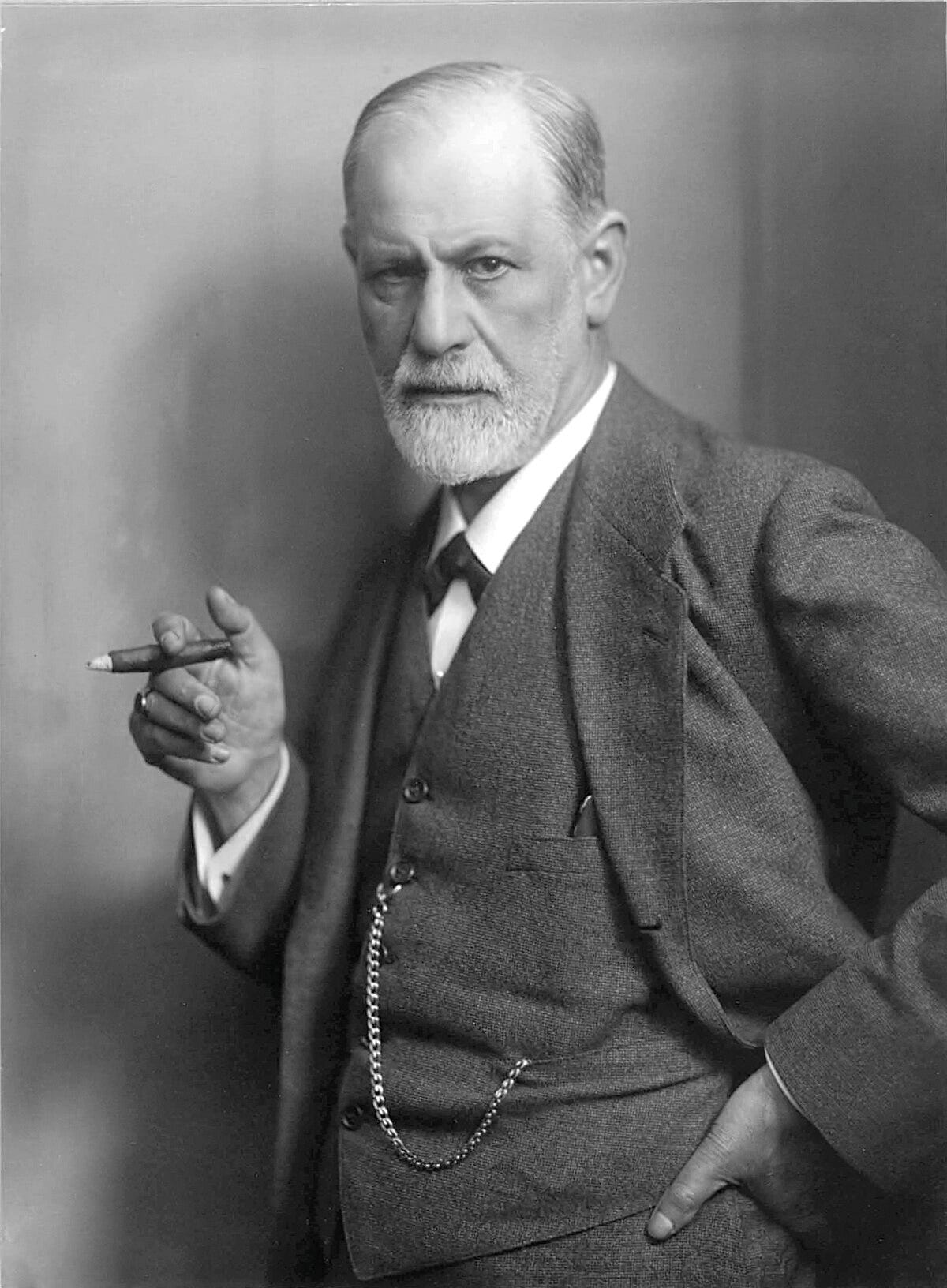
The article mentions a case discussed by Freud in his “Notes upon a Case of Obsessional Neurosis” published in 1909, based on his patient:
…Ernst Lanzer, ‘the Rat Man’ who presented to him with a number of distressing obsessions – principally a fear of corporal punishment from his father and a female friend using rats. Lanzer would then stare at his penis, sometimes using a mirror.
His fear had grown out of an account he heard from a fellow army officer concerning a Chinese torture method in which a large pot, containing a live rat, was strapped to the buttocks of the victim, and the rat was encouraged by a red-hot poker to gnaw its way out through the victim’s anus.
Lanzer claimed that he fantasized about murder and suicide and developed a number of compulsive irrational behaviour patterns.
[emphasis added]
Interestingly, there is a Japanese killer names Tsutomu Miyazaki called himself the, “Rat Man”. There is a video about this on the Viktoria Evans YouTube channel.
The article further details specific criminal cases, including R v Quinn (No 2) in New South Wales, Australia, a case involving the stabbing murder of a girlfriend by an offender with OCD and borderline personality disorder who believed that his girlfriend was cheating on him. Forensic psychiatrist Dr Olav Nielssen described:
His severe mood swings producing states of severe depression and also anger, and also the impairment in impulse control that goes with Obsessive Compulsive Disorder… There’s extreme sudden mood swings with irrational anger and severe depression that can be triggered by small events and appear completely disproportionate and so it is a loss of emotional control.
The article also mentions a case in nearby New Zealand, wherein a woman with OCD was found guilty of arson after she started a fire outside of the bedroom of her son:
He considered that she had set up unnecessary concerns in the minds of the children that their father meant to cause them harm, and that she was disconnected from reality. He described her as having fashioned an evil plan to deprive her husband of an entitlement.
They describe another case in Victoria, Australia, R v D’Aloisio, in which the accused assaulted his own 6-week-old child, causing fatal injuries. Professor Kyrios, an expert in OCD, testified that:
Mr D’Aloisio’s highly developed need for control, particularly with respect to control of emotional expression, led to chronic internalising of negative emotions. In the context of mounting stress, this situation is tantamount to a balloon ready to burst. There is a clear link between Mr D’Aloisio’s personality make up and subsequent mood problems (e.g. depression, agitation, anger). There is also a clear link between his mental health problems and poor decision making, low coping capacity, and intolerance for situations he could not control. It is my opinion that Mr D’Aloisio’s obsessional personality and mental health problems were at the centre of his response to his temperamentally demanding baby. At the time he was so concerned about control that he would not perspective-take or see the consequences of his behaviour.
The Psychopathology of the Serial Killer
Most serial killers get a diagnosis of some kind. Richard Chase was diagnosed with paranoid schizophrenia. David Berkowitz was diagnosed with paranoid schizophrenia. Ted Kaczynski was diagnosed with paranoid schizophrenia. Ed Gein was diagnosed with schizophrenia. Jeffrey Dahmer was diagnosed with borderline personality disorder, schizotypal personality disorder, and a psychotic disorder. Ted Bundy was diagnosed with bipolar disorder.
Israel Keyes was diagnosed with “antisocial tendencies.” Dennis Rader was diagnosed with narcissistic, obsessive-compulsive, and antisocial personality disorders, and has been called a case study in psychopathy. Donald Henry "Pee Wee" Gaskins was diagnosed with narcissistic personality disorder. Carl Eugene Watts was diagnosed with antisocial personality disorder.
Kristen Gilbert was diagnosed with borderline personality disorder and Munchausen syndrome by proxy. Aileen Wuornos was diagnosed with borderline personality disorder and antisocial personality disorder.
In 2005, the Federal Bureau of Investigation hosted a symposium on serial murder, and produced a monograph entitled Serial Murder: Multi-Disciplinary Perspectives for Investigators. We have included this monograph here as a PDF for interested readers.
According to this monograph,
…Serial killers differ in many ways, including their motivations for killing and their behavior at the crime scene. However, attendees did identify certain traits common to some serial murderers, including sensation seeking, a lack of remorse or guilt, impulsivity, the need for control, and predatory behavior…
Psychopathy is a personality disorder manifested in people who use a mixture of charm, manipulation, intimidation, and occasionally violence to control others, in order to satisfy their own selfish needs…
All psychopaths do not become serial murderers. Rather, serial murderers may possess some or many of the traits consistent with psychopathy. Psychopaths who commit serial murder do not value human life and are extremely callous in their interactions with their victims. This is particularly evident in sexually motivated serial killers who repeatedly target, stalk, assault, and kill without a sense of remorse. However, psychopathy alone does not explain the motivations of a serial killer…
The monograph also notes some interesting criminal behavioral traits common to psychopaths that are known to differentiate psychopaths from other criminal offenders:
Psychopaths are not sensitive to altruistic interview themes, such as sympathy for their victims or remorse/guilt over their crimes. They do possess certain personality traits that can be exploited, particularly their inherent narcissism, selfishness, and vanity. Specific themes in past successful interviews of psychopathic serial killers focused on praising their intelligence, cleverness, and skill in evading capture.
In a 1994 article published in the OMEGA - Journal of Death and Dying, authors Dana D. DeHart and John M. Mahoney go into great detail about the motivations of serial killers, noting that contrary to the popular belief that they are unique to modernity (a myth that is still perpetuated today), there are known historical examples of serial killers.
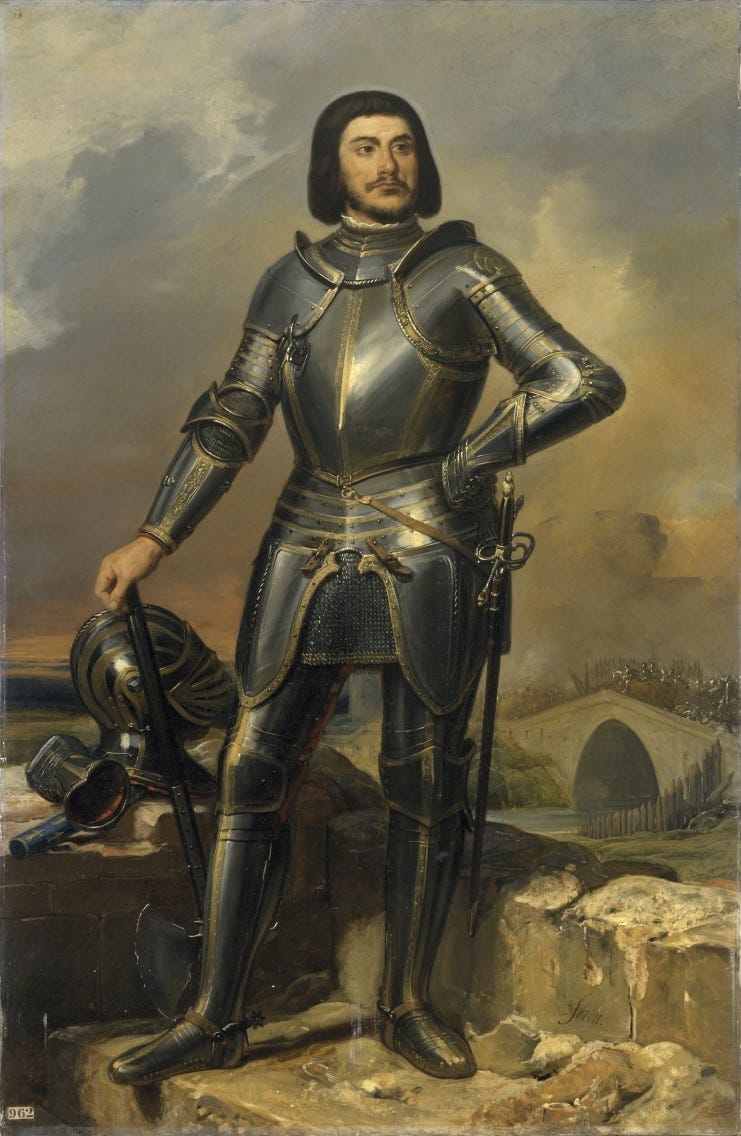
Fifteenth century child killer Baron Gilles de Rais, a companion of Joan of Arc, is believed to have murdered over 140 children and is believed to have offered “parts of a child” in a ritual attempt to evoke a demon named Barron. Rais was executed for these crimes in October of 1440.
They note that serial killing is defined, in part, “by the nature of the murderer’s motive, often sexual in nature, [which has] an intrinsic locus and commonly involves gratification derived from the act of murder itself.”
They exclude “those individuals who murder in a serial fashion, yet whose primary goals are extrinsically derived” such as those killers who murder “as a result of a jealous rage” or “for material gain.”
Particular to the motivation of serial killers, they note that “The serial killer who wants revenge does not pursue revenge against an individual; the murderer generalizes his or her hatred to an entire category of individuals and retaliates by victimizing that group somewhat randomly.”
They also note that “motivational inferences may be complicated” by “reliability and validity problems in assessing the killers [interrogation].”
DeHart and Mahoney delineate between four types of serial killer by referencing the work of Holmes and DeBurger originally published in the Journal Federal Probation in 1985 and the American Journal of Criminal Justice in 1988, including “Visionary serial killers… motivated by psychotic delusions or hallucinations,” and “mission-oriented murderers [who] consciously seek to rid society of an ‘undesirable’ group of people,” citing Jack the Ripper.
They further describe the “hedonistic serial murderer, who kills for thrills, pleasure, or contentment and the power/control serial murderer, who compensates for a lack of social or personal mastery by exerting control over victims.”

Holmes and DeBurger note in their 1988 abstract that “serial killers have never been rehabilitated.”
In the 2018 textbook Introduction to Forensic Psychology: Research and Application by Curt R. Bartol and Anne M. Bartol, the authors note that, “…one trait that appears to seperate [serial killers] from the norm is their exceptional interpersonal skill in their presentation of self (Fox & Levin 1998). Their ability to charm and “fool” others often elevates them beyond suspicion and makes them difficult to apprehend.”
They go on to quote Joseph Fisher, who writes, “Perhaps most unsettling for the community was the behavior of victims; some of whom were reported to have gone willingly with their killer even though they may have known what lay ahead. This blind trust and the killer’s exploitation of that trust seemed to have an eerie, supernatural quality…”
They also note an interesting difference in modus operandi between male and female serial killers; female serial murderers “most often murder those with whom they share a relationship such as husbands, intimates, and acquaintances,” whereas “male serial killers… prefer victims offering easy access and transience. Often their disappearance is not reported to police. For example, victims are often prostitutes, runaways, young make drifters, and itinerant farm workers whose families and friends may not immediately realize…” but that “With experience, improving skills, and a need for greater challenge, [male] serial killers often move to more difficult victims, such as university or college students, children, the elderly, or solitary poor.”
They further state that only “Very rarely do serial murderers break in and terrorize, torture, and kill middle-class strangers in their homes.”
A few other interesting bits of information found within Introduction to Forensic Psychology are that serial killers typically begin their killing between the ages of 24 and 40, and that most are between the ages of 27 (when they begin killing) and 32 (when they last kill), and that serial killers rarely kill where they work or live, doing so in only 14% of cases, while 52% have a territory that they kill within, and 30% commit their crimes across a wide geographical area. They do not share the geographical preferences of the remaining 4%.
They also note that “Serial killers prefer a method of killing that provides the maximum amount of control and dominance over the victims. Choking, stabbing, and other methods of delayed death are ways the killer can maintain… mastery over the helpless victims.”
The Bartol’s add that “Serial killers tend to be inspired by detailed and elaborate fantasies rich with themes of dominance…” and describe a study which found that 86% had violent fantasies on a regular basis, and that 58% of the same group had above average intelligence, compared to 29% of single victim killers.
Further, “Many serial killers augment their fantasies with hard-core pornography, which often contains themes of violence, dominance, and bondage (Fox & Levin, 1998, 2003). In the past, police investigators often uncovered extensive libraries of films and tapes that portrayed acts of rape and murder.”
Dr. James Dobson interviewed serial killer Ted Bundy the night before his execution, on January 23, 1989. Bundy describes the impact he claims violent pornography (and to a degree, other violent media) had on the development of his pathology… although we note with some suspicion that, as DeHart and Mahoney discussed in our earlier citation.
“…motivational inferences may be complicated” by “reliability and validity problems in assessing the killers [interrogation].”
There are several moments during this interview where Bundy’s “mask of sanity” seems to slip. We reference Mask of Sanity here because Cleckley “questions whether this mask of sanity is voluntarily assumed to intentionally hide…”
If it’s true that Bundy was a “power and control” type of serial killer, he may simply be spending his last night on earth in an attempt to exert what little power and control is left to him.
A 2020 meta study published in the journal Trauma, Violence, & Abuse says regarding pornography that “scholars have not come to a consensus about whether effects are real,” and concludes that although “Methodological weaknesses were very common in this field of research… evidence did not suggest that nonviolent pornography was associated with sexual aggression.”
The study further found that, “Evidence was particularly weak for longitudinal studies, suggesting an absence of long-term effects. Violent pornography was weakly correlated with sexual aggression, although the current evidence was unable to distinguish between a selection effect as compared to a socialization effect.”
The researchers add that “Studies that employed more best practices tended to provide less evidence for relationships whereas studies with citation bias, an indication of researcher expectancy effects, tended to have higher effect sizes. Population studies suggested that increased availability of pornography is associated with reduced sexual aggression at the population level.”
Here is an edited excerpt of the interview Dr. Dobson conducted with Bundy for you to judge for yourself.
Bundy claimed he had a good life as a child; however, a 2020 study published in the journal Psychiatry, Psychology, and Law found that “Sexual, physical, and psychological abuse often led to distinct crime scene behaviours,” and that their research “highlights the importance of childhood abuse as a risk factor for serial killers’ behaviours…”
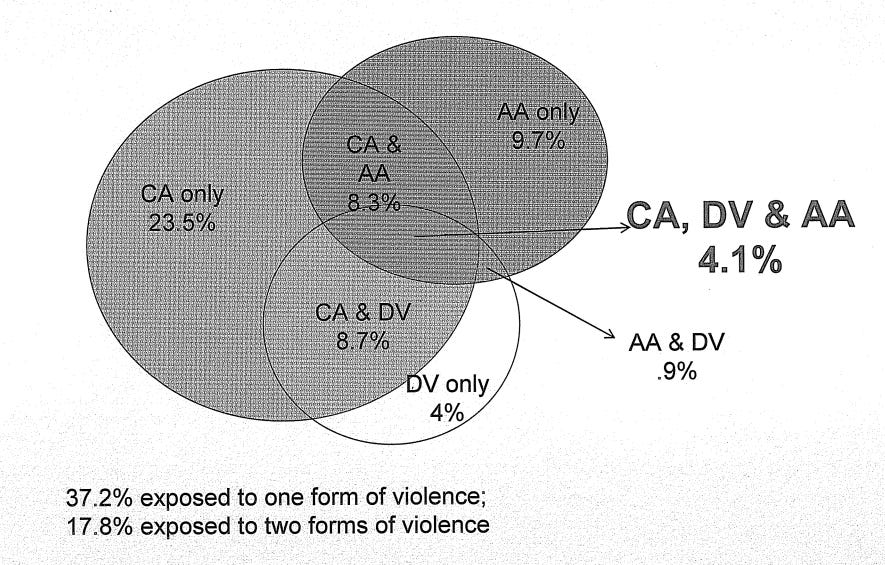
Other studies have found that animal abusers were up to five times more likely to commit acts of violence, and that serial killers often killed or tortured animals as children as a control seeking behavior, the result of feeling powerless against their controlling parents. A 2009 study in the Journal of Interpersonal Violence found that “individuals who witness animal abuse are 8 times more likely” to become perpetrators of violence. The study also found significant overlap among populations exposed to animal abuse, child abuse, and domestic violence.
It is a trope of serial murder that serial killers start by killing animals, behavior associated with exerting dominance and power. Bundy himself is known to have abused and killed animals as a child, including mice he bought especially for this purpose, as well as pets belonging to his neighbors. Lee Malvo, the DC sniper, is reported to have targeted cats with a slingshot; Eric Harris and Dylan Klebold were both reported to have boasted about mutilating cats for fun.
Anders Behring Breivik, who killed eight people and injured two hundred and nine others on July 22, 2011 in Norway would torture rats and put bumblebees in water to “he could watch them drown.”
Devin Patrick Kelley, the perpetrator in the First Baptist Church shooting in Sutherland, TX, bragged “about snapping his pet dog's neck when he was just ten years old,” pleaded guilty to animal cruelty for punching a dog as an adult, and told a coworker he was buying dogs on Craigslist to shoot for “target practice.”
Brenda Spencer, who opened fire at Grover Cleveland Elementary school in San Diego, California on January 29, 1979, was known to hunt birds around her neighborhood, and is also reported to have repeatedly abused cats and dogs, for instance by setting their tails on fire.
Salvador Ramos, the Uvalde school shooter, boasted about torturing animals and even broadcast acts of animal abuse on the French live streaming platform Yubo. Nikolas Cruz, the perpetrator in the Parkland shooting, began shooting squirrels and chickens in elementary school; as a teenager, he killed frogs, and tried to maim baby potbelly pigs and crush animals trapped in rabbit holes. On Instagram, Cruz boasted about killing animals and even posted images of dead ones.
A 1998 paper titled “Multiple Homicide: Patterns of Serial and Mass Murder” by James Alan Fox and Jack Levin which was originally published in the journal Crime and Justice suggested that “the distinction between serial and mass murder has been overemphasized at the expense of understanding” and presents “a unified typology for multiple murder based on motivation rather than timing.”
The authors note that “A number of serial murder cases better fit some mass killer types, and certain mass killers reflect motives commonto serial offenders. For example, Richard Speck, who in 1966 raped and murdered eight Chicago nursing students in their dormitory, may have had robbery as a secondary motive, but his primary objective was, by his own admission, thrill-seeking or hell-raising. Likewise, the infamous Unabomber was technically a serial killer, yet he resembles the "set-and-run" masskiller type.”


“By focusing so much on timing (one victim at a time vs. several victims at once), criminologists may have artificially dichotomized cases of multiple murder and, therefore, have obscured important similarities between serial and mass killers in terms of their motivation. Partially as a result of this problem, researchers have employed a third form of multiple homicide- "spree killing"- to handle hybrid cases that cannot adequately be described as either…”
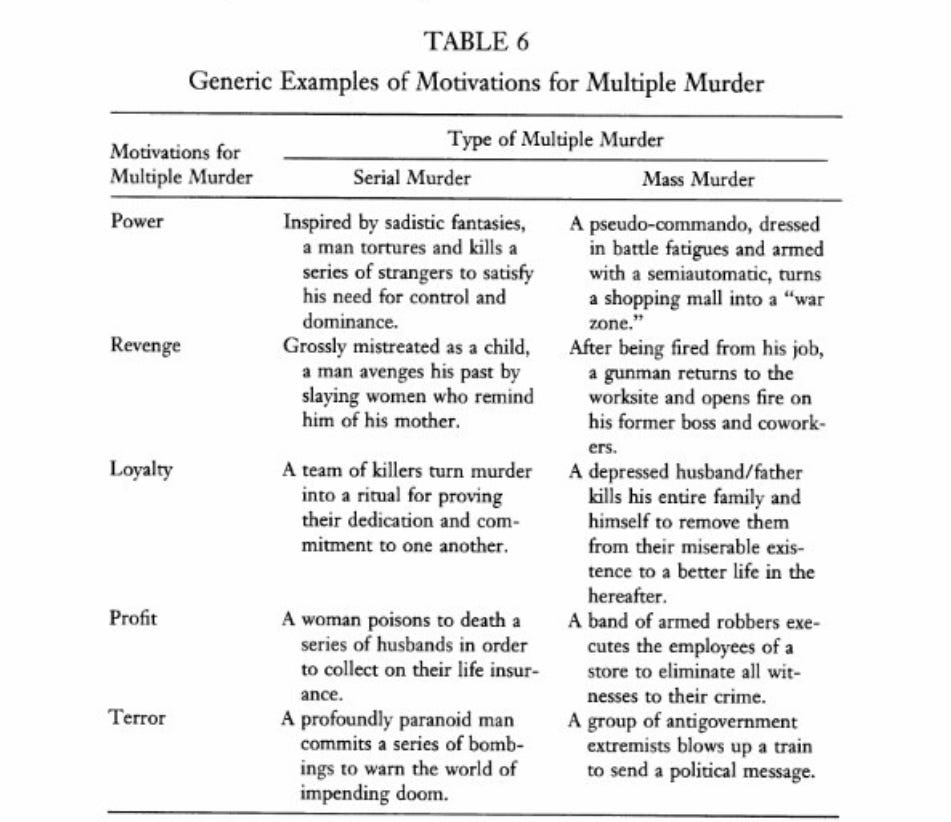
That last table was really interesting, as for breaking down motivations. One common occurrence I have noticed in a lot of serial killers childhood is cruelty to animals. Even killers that seem 'normal' to those around them as adults had indications of a depraved mind as children; such as Dahmer's preoccupation with dead animals and Keyes giggling about shooting a cat in their stomach. What I really found interesting in this article was that psychopaths can turn their empathy 'on' and 'off'; that explains how they can show concern to one person but complete disregard for another. I really think our public education system should incorporate personal psychology and behavior development into the public education system including child development. Also routinely evaluate a child's mental development like physical exams. Check for signs of abuse. Of course in a case like Keyes none of that would have helped since his family refused public education or medical care. I know none of this would stop a psychopath from developing but these measures could help prevent becoming a victim, child abuse or even catch severely mentally unstable people that go undiagnosed until they commit a horrendous crime. Thanks for putting in so much work on researching this topic, the dysfunction of the mind is what interests me as far as true crime is concerned.